Roughly seven in ten beauty purchases now start online, and a growing share of the high-end ones end somewhere that is not a department store. That single behavioural change has done more to reshape prestige beauty retail than any product launch of the past decade. The counter model, built for foot traffic and impulse, is losing ground to a quieter competitor: the curated boutique that sells fewer brands, knows each one deeply, and treats advice as the product.
This is not a story about luxury dying. Spending on premium skincare keeps climbing. It is a story about where that money goes, and why the economics increasingly favour the specialist over the generalist.
The counter was built for a different shopper
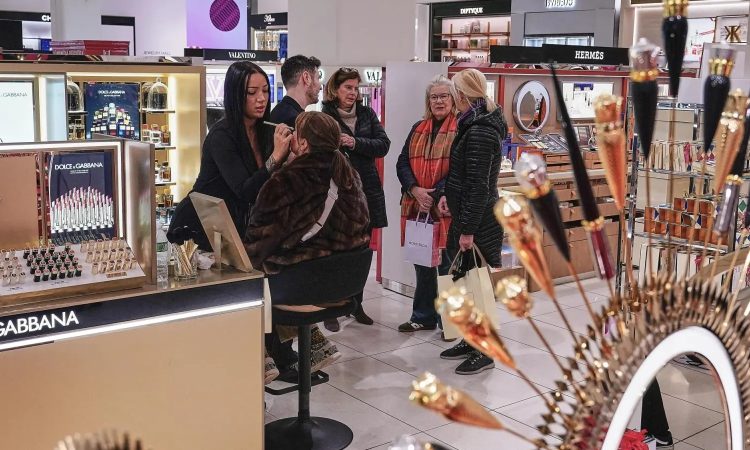
Walk through the beauty hall at a large retailer and the design goals are obvious. Maximise brands. Maximise square footage yield. Staff each island with a representative loyal to one label. The model worked beautifully when discovery happened in person and shoppers wanted to sample twenty things under bright lights.
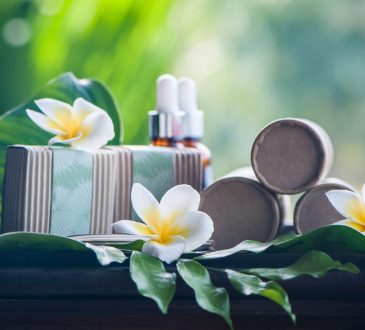
The problem is that discovery moved. People now research actives, read ingredient breakdowns, and watch a dermatologist explain niacinamide before they ever touch a tester. By the time they are ready to buy, they do not need a counter. They need a trusted filter. A boutique like Living Beauty is built around exactly that job: a tight, vetted assortment chosen by people who can explain why one serum belongs in a routine and another does not.
That is a different business than selling everything to everyone. And it turns out to be a more durable one.
Curation is a margin strategy, not just a vibe
There is a financial argument buried under the aesthetics. A retailer carrying 400 brands spreads attention thin and competes mostly on price, promotion, and loyalty points. A boutique carrying 30 carefully chosen lines competes on knowledge and trust, which are far harder to discount away.
Fewer brands means staff can actually master them. It means inventory turns on conviction rather than on whatever the latest vendor promotion pushed. It means returns drop, because the recommendation was right the first time. Sephora and Ulta built enormous businesses on breadth, and they are not going anywhere. But breadth has a ceiling for the shopper who wants one correct answer instead of forty options.
The specialist wins a specific, valuable customer: the one who would rather pay for a considered edit than wade through a wall of choices.
Expertise does not scale, and that is the point
Department stores spent years trying to systematise advice. Scripts, planograms, brand-trained reps. The trouble is that real skincare guidance is personal. What helps dehydrated, reactive skin in a dry Canadian winter is not what helps congested skin in humidity. A rep loyal to one brand cannot cross the aisle and tell you a competitor’s formula suits you better.
A boutique can. When the staff are not tied to a single label, their only incentive is to be right, because being right is what brings you back. That independence is the quiet engine behind the model. It also explains why these shops lean into services, consultations, skin analysis, treatment rooms, that deepen the relationship rather than closing a single sale.
Estée Lauder and the other heritage houses understand this well, which is why so many now invest in their own flagship boutiques and experiential spaces. They watched the relationship move and followed it.
The online shelf changed who gets to be credible
Here is a shift that gets underrated. For decades, shelf space at a major retailer was the signal of legitimacy. If Holt Renfrew or Hudson’s Bay carried you, you were serious. Platforms like Shopify collapsed that gatekeeping. A specialist boutique can now stock a clinical French skincare line, publish genuinely useful education around it, and reach a national audience without a physical counter in every city.
Credibility migrated from “who carries you” to “who vouches for you, and can they explain why.” That favours the boutique whose entire reason to exist is informed selection. A curated shop that can justify each product on its shelf carries a kind of authority that a sprawling marketplace simply cannot manufacture.
And shoppers feel the difference. A recommendation from a place that clearly said no to hundreds of products carries more weight than a five-star average across ten thousand reviews.
Loyalty is where the two models diverge most
Look at retention and the gap becomes stark. Department store beauty has always leaked customers between brands and between stores, because the relationship belongs to the individual rep or the loyalty programme, not to the shopping experience itself. Change jobs, change cities, and the connection usually breaks.
The specialist builds a stickier bond. When a shop has guided you to products that genuinely worked, that institutional knowledge of your skin becomes a reason to return that a points balance cannot match. You are not starting over with a stranger every visit. The shop remembers what you reacted to, what you loved, what you are due to repurchase. That continuity compounds, and it is expensive for a competitor to replicate, because it was earned one correct recommendation at a time rather than bought with a promotion.
There is a second-order effect, too. Satisfied boutique customers refer friends at unusually high rates, because a trusted recommendation of skincare carries real social risk, and people only make it when they are confident. Word of mouth, the cheapest and most durable acquisition channel in existence, tilts heavily toward the specialist. The counter advertises. The boutique gets talked about.
What this means if you are the one buying
For shoppers, the practical takeaway is about where to spend attention, not just money. If you already know precisely what you want and care only about price, a large marketplace is fine. If you are building or fixing a routine and want fewer, better decisions, the specialist is usually the smarter stop.
A few signals separate a real boutique from a shop merely dressed as one. The assortment is edited, not endless. Staff can explain why something is in the lineup and who it is not for. The education is specific rather than generic marketing. And the brands carried tend to be the professional, results-driven lines that reward guidance, the kind estheticians actually use.
The counter is not finished. Big-box beauty will keep serving the shopper who wants maximum selection at a sharp price. But the centre of gravity in prestige skincare has shifted toward expertise, trust, and the confidence of a short, deliberate list. The boutiques that understood customers were buying judgment, not just jars, are the ones quietly pulling ahead.
Retail tends to reward whoever solves the shopper’s real problem. For a long time that problem was access. Now it is discernment. And discernment is exactly what a well-run boutique sells.