

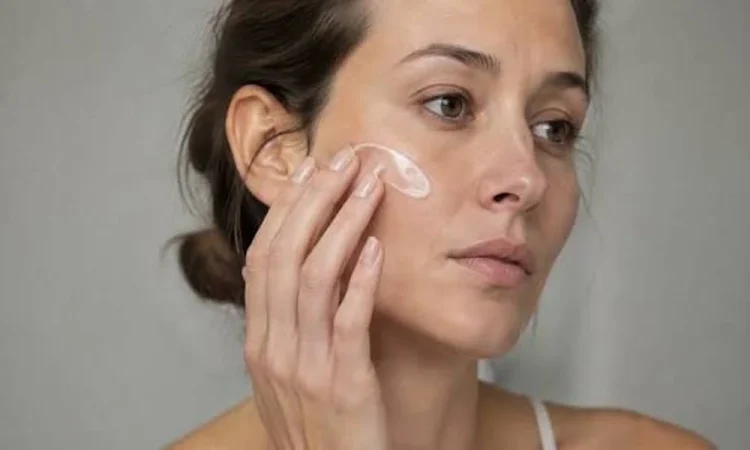
Skin that cracks despite daily lotion lacks water, not grease. Urea targets that specific gap. Healthy skin already holds this compound in its outer layer. When the supply drops, the surface stiffens, flakes and splits. A well-formulated very dry skin cream with urea refills that reserve. At the same time, it loosens rough, scaly buildup. Strength changes the outcome, as do timing and layering. Each factor shapes how fast tight, flaky patches recover.
Urea Works From Two Directions At Once
As a humectant, urea draws water into the outermost layer. The molecule then binds that moisture, slowing evaporation. Its second role is keratolytic. Here, the ingredient loosens bonds holding dead cells together. Ordinary lotions coat the surface; urea changes its behavior. Research even ties it to higher filaggrin, a key barrier protein.
Why Does Concentration Change The Outcome?
Percentage decides whether a cream hydrates, exfoliates or does both. Low doses act gently, while higher ones dissolve hardened protein. Picking the wrong strength wastes effort or causes stinging.
- Formulas at 2-10% hydrate and support barrier function.
- Options at 10-20% soften roughness while adding moisture.
- Strengths near 20-30% tackle cracked heels and scaly shins.
- Products above 30% target calluses and thickened nails.
Depleted Moisturizing Factors Explain Persistent Flaking
Xerotic skin carries less natural moisturizing factor. This blend of amino acids, lactate and urea traps water. Cold air, hot showers and harsh soap strip it further. Diabetes, thyroid disorders and kidney disease deepen the deficit. A very dry skin cream with urea replenishes one missing piece. Trials on diabetic feet show gains with 10% formulas.
Can Urea Replace Thick Occlusive Ointments?
Not on its own, because the two do separate jobs. Urea pulls water inward, yet nothing stops that water escaping. Petrolatum seals the surface but adds no hydration itself. Combined, the pair covers both gaps.
- The urea layer goes on less than three minutes after bathing.
- Damp surfaces absorb the humectant better than dry ones.
- A thin ointment film over heels then locks moisture in.
- Cotton socks worn overnight keep that seal from rubbing off.
How Quickly Do Rough Patches Show Improvement?
Progress arrives in stages, not overnight. Twice-daily application drives each phase forward. Thickened heels respond slower than forearms or shins.
- Tightness and itching ease first.
- Visible flaking drops by week one.
- Rough texture softens around week two.
- Heel fissures close over a month.
- Maintenance drops to three weekly uses.
Rebuilding The Body’s Own Water Chemistry
Most moisturizers rent hydration for a few hours. Urea works more like a repair of the original system. The outer layer manufactures this molecule on its own. Topping it up nudges filaggrin and restores internal water balance. That shifts what success looks like. Heels needing 20% in January may manage on 10% by April. Lower dependence, not softer texture, signals genuine repair.
FAQs
Is urea cream safe for facial use?
Low strengths around 5-10% suit facial use well. Higher percentages sting thin areas near the eyes and lips, so those formulas belong on heels, elbows and hands.
Why does urea cream sting on cracked skin?
Open fissures let the compound reach nerve endings below the surface. The tingling fades as cracks close, but persistent burning or swelling calls for a dermatologist.
Can children use urea-based moisturizers?
Mild formulas are prescribed for conditions like ichthyosis in kids. Infants absorb topical ingredients faster, though, so a pediatrician should confirm the strength first.
Does urea cream need a prescription?
Strengths up to about 20% sit on pharmacy shelves in most markets. Concentrations of 40% and above may require a doctor’s order before purchase.


